The question arrives, sooner or later, at every dinner party where books are discussed: "You read that?" The emphasis on "that" — pitched somewhere between curiosity and judgement — reveals more about the questioner than the reader.
We read erotica for the same reasons we read any literature: to understand ourselves, to feel less alone, to experience lives and sensations beyond our own. The erotic dimension adds something that other genres cannot: a direct line to the body.
Reading erotica is an act of imagination. Unlike visual media, the written word requires active participation — the reader must build the scene, inhabit the characters, feel their way through the narrative. This engagement is not passive consumption; it is co-creation.
For many readers, erotica serves as a safe space for exploration. Fantasies that might feel too vulnerable to voice aloud can be encountered privately on the page. Questions about desire, identity, and pleasure can be explored without risk.
And there is the craft itself. The best erotic writing is simply good writing applied to the most fundamental human experience. It demands precision of language, emotional honesty, and a willingness to go where the story leads — even when the destination is uncomfortable or surprising.
So yes, we read erotica. We read it seriously, joyfully, hungrily. And we refuse to apologise for it.
Related Articles
The Year in Erotic Literature: What We Loved
Our editors reflect on the stories, trends, and voices that shaped erotic writing this year.…
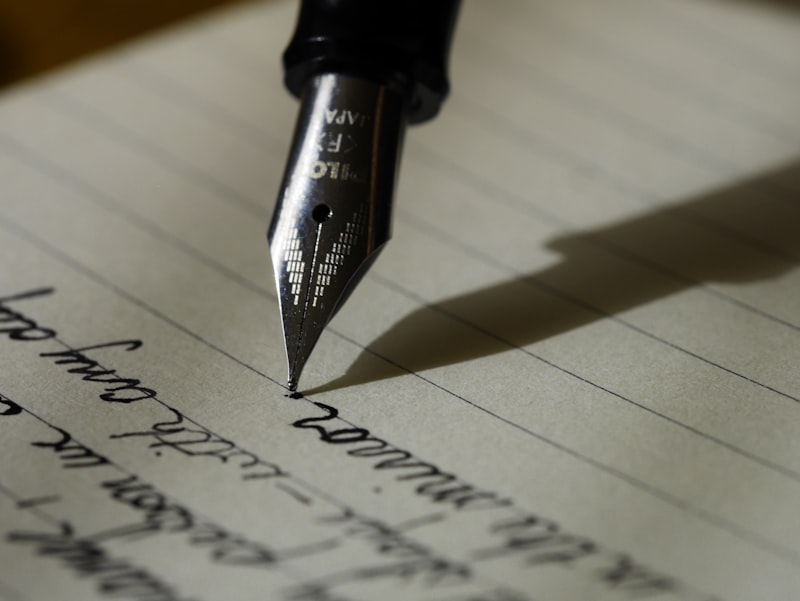
The Art of Erotic Writing: A Beginner's Guide
Great erotica is not about anatomy — it is about anticipation, character, and the spaces between words.…

Digital Desire: How AI is Reshaping Erotic Art
A thoughtful exploration of AI-generated erotica — its possibilities, limitations, and ethical questions.…